


Your Itinerary
Central Hualien to the Walami Trailhead
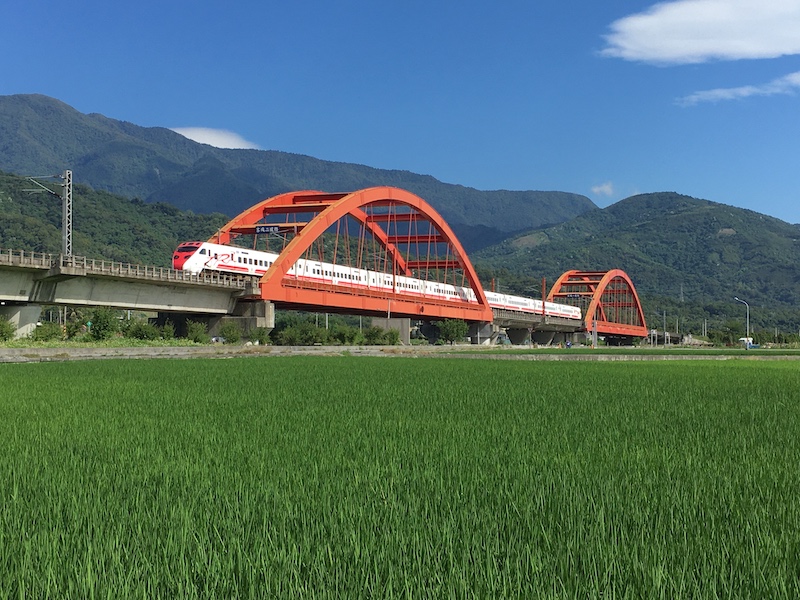
The drive from downtown Hualien to the trailhead takes about 2 hours, traveling through the lush East Rift Valley along the way.
Yushan National Park
Welcome to Yushan National Park, home of Taiwan’s tallest mountain and the namesake of the park. Yushan, which translates to “Jade Mountain”, stands at a whopping 3,952 m (12,966 ft) and is responsible for ranking Taiwan #4 highest elevation of any island in the world. Yushan NP, one of nine national parks in Taiwan, is renowned for its high-altitude peaks (30 over 3,000 meters) and low-reaching valleys. And if this wasn’t enough to make the park a hiker’s paradise, it’s also home to an astounding array of biodiversity. There are 65 species of mammals in the park, accounting for 74% of all mammal species in Taiwan, and among them reigning the most prestigious, is the endangered Formosan black bear.
The Walami Trail
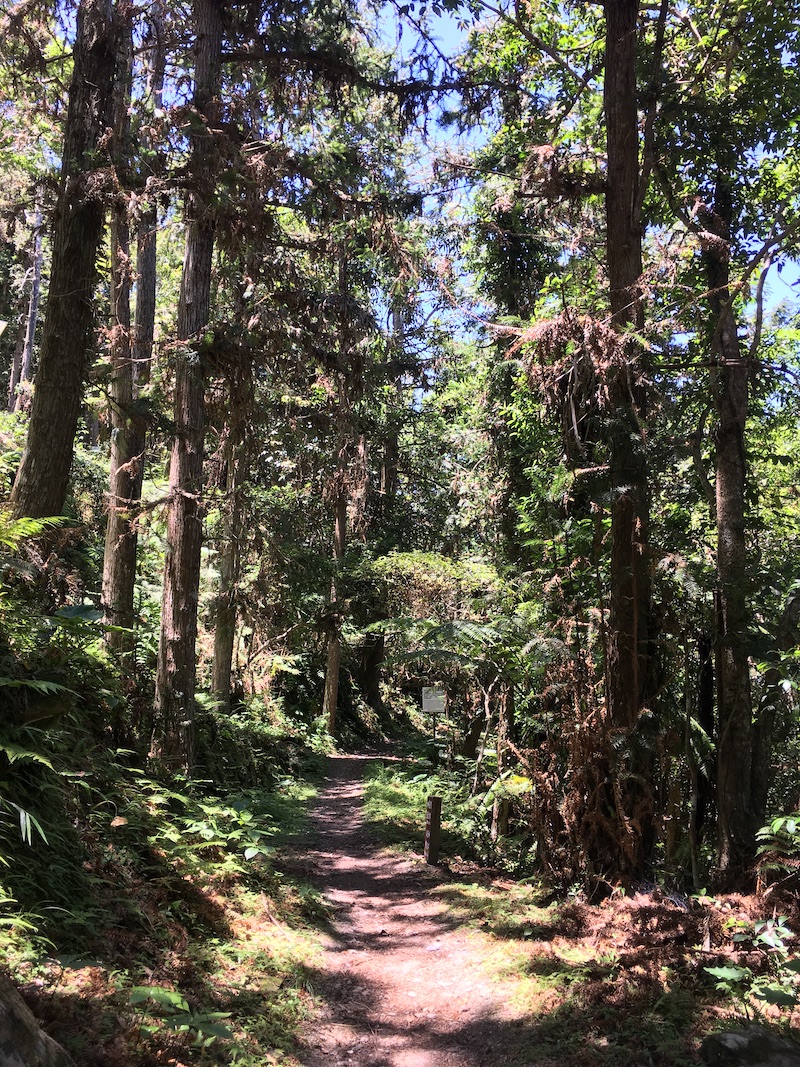
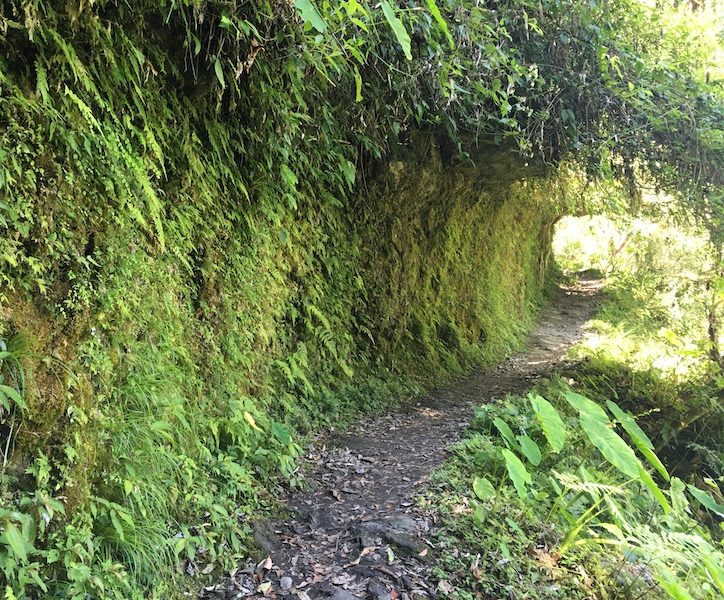
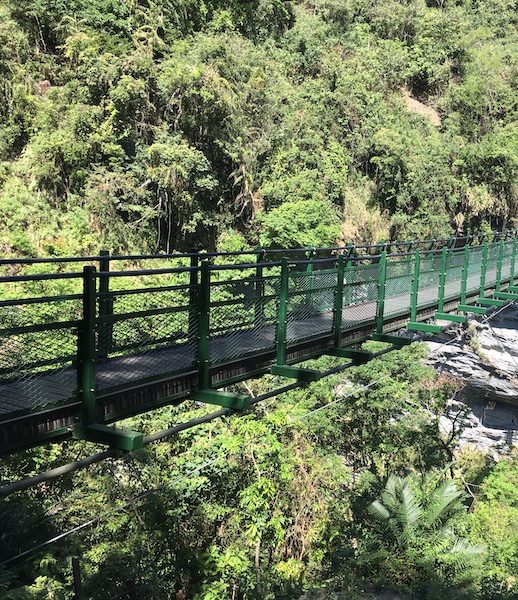
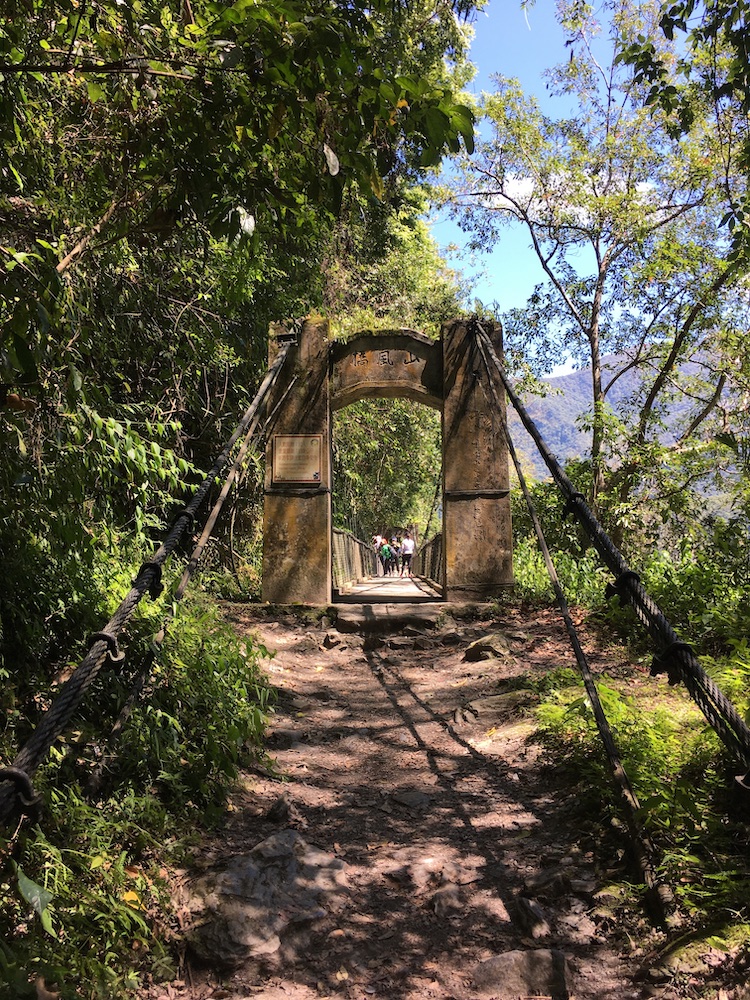
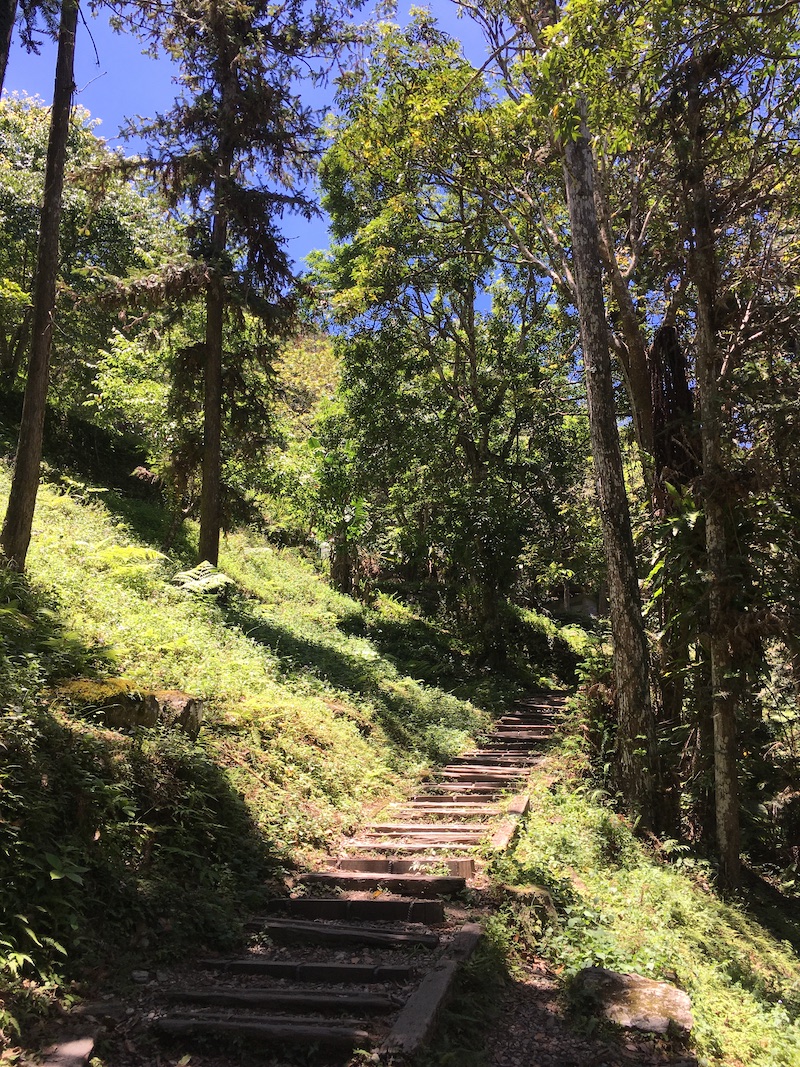
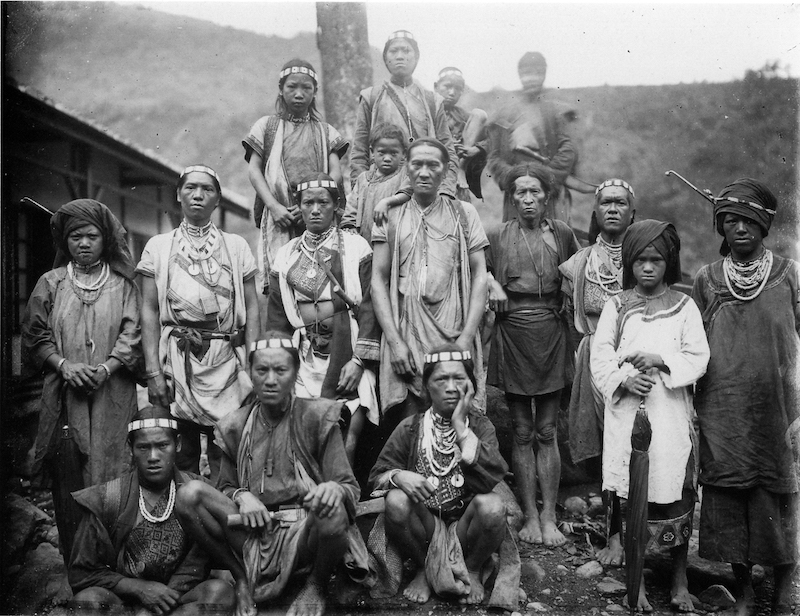
Embark on an exhilarating full-day hike along the captivating Walami Trail (~9km). This trail is a preserved section of the historic Batongguan Trail, which dates back to 1875. Originally spanning 152 kilometers from Yuli in Hualien County to Chushan in Nantou County, the Batongguan Trail followed ancient indigenous paths that were used for centuries as a primary means of navigating the island. Once inhabited by the Bunun tribes, the trail’s rich history includes its expansion and reconstruction during the Japanese occupation from 1895 to 1945. Shortly after the hike begins the trail crosses two narrow suspension bridges that lead deeper into the dense jungle beyond. Around 2 kilometers later, the Shanfeng Waterfall awaits, offering a refreshing mist that serves as a delightful respite after an invigorating hour and a half of hiking. 2.5 kilometers later is the furthest point of the out and back, Kasin.
Picnic Lunch
Stop for a rest and a re-up at Kasin Site. This is the perfect place to dive in on that picnic lunch your WildTaiwan guide packed for you.
Kasin Site
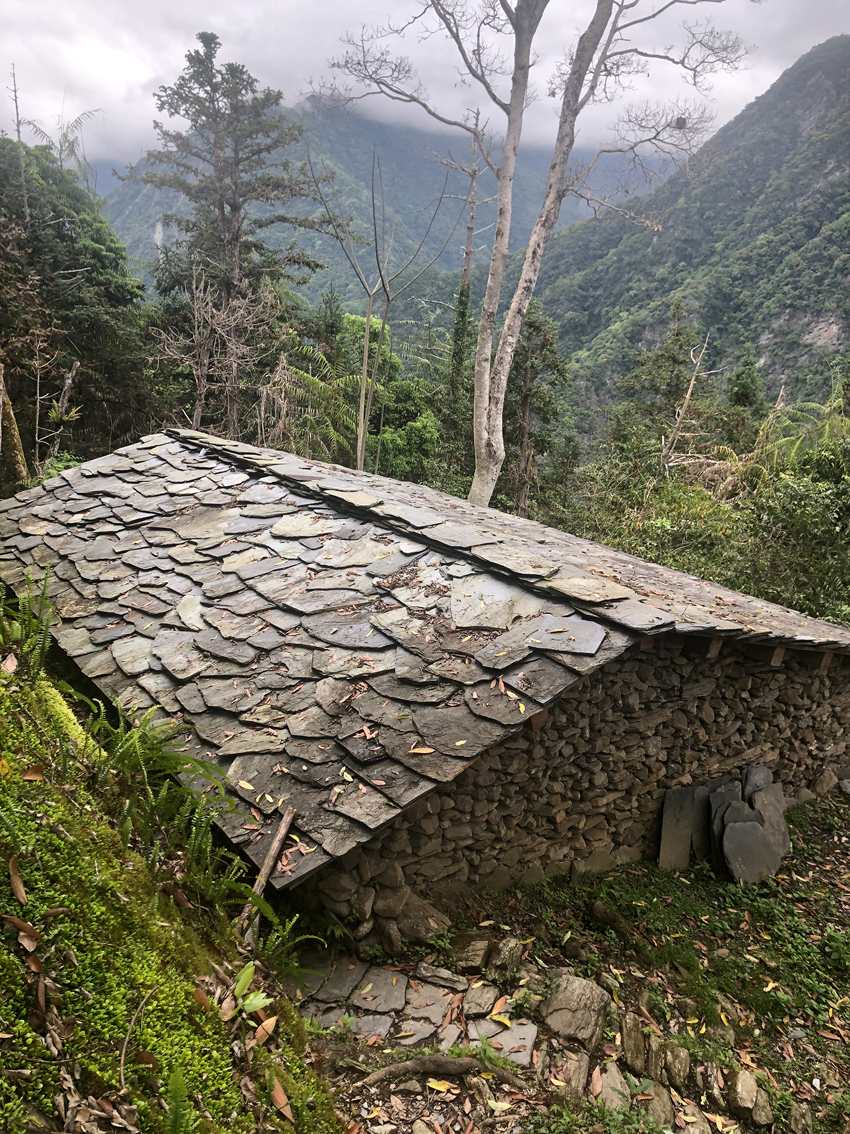
The Kasin Site is a former settlement of the Bunun people, one which has undergone an in-depth archaeological survey. As a Cambridge Archaeological Journal states, “a systematic survey of a 4 km2area focused on more than the Bunun houses and included other landscape elements, such as trails, field systems, and shelters… the Kasin survey also focused on the area’s fauna and flora, and other resources were essential components of the Bunun’s traditional landscape. Through synthesis of survey results, oral traditions, and archaeological and archival evidence, the research team gathered the best available information about Bunun resource use and adaptations to the environment.” Here your expert guide, Abus Istasipal, will share some stories about the traditional Istasipal Stone Cabin found here (if you noticed that Abus’ surname and the cabin’s name are the same, this is because the cabin belonged to her ancestors!). Beyond the Bunun history of the cabin, Abus will also share it’s later history, as it was once a base for Japanese facilities, including a police station, a hotel, a school and a clinic.
Out and Back, Back
Begin the hike back to the trailhead, taking in the valley landscape of the Lakulaku River along the way.
The Walami Trailhead to Central Hualien
The drive from the trailhead back to central Hualien takes about 2 hours.
Journey Gallery
Keep In Touch