


A Quick Summary
Your Itinerary
Your Journey Begins
Today is the day, the start of your WildTaiwan adventure. Step off the plane in Taipei and meet your local WildTaiwan guide in the airport arrivals hall. They’ll be waiting to welcome you and will have your private vehicle on standby, ready to whisk you off to your hotel for check in. The drive from the Taipei Taoyuan International Airport to downtown Taipei takes ~1 hour (traffic dependent).
First Stop: Taipei
Welcoming and cosmopolitan, with an enticing fusion of Chinese culture and Southeast Asian, American, and Japanese undertones, Taipei is an alluring metropolis with surprises around every corner. Nestled amid a collection of rolling mountains, the city is a study in contrasts – centuries-old temples backdropped by glittering skyscrapers and bustling night markets waiting to be explored after a day spent lazily whiling away the hours in a tea house. Not to mention Taipei’s delectable culinary scene. From food-stall stinky tofu and pork buns to a delicious array of Michelin-starred restaurants, the Taiwanese capital is a veritable foodie paradise. Add in a compelling creative streak and you’ve got a dynamic city filled with history, heritage, and plenty of charm.
Your guide will meet you in the lobby of your hotel at 9:00am to start the day.
Dalongdong Bao’an Temple
Dedicated to Baosheng Dadi, the god of medicine, Dalongdong Bao’an Temple is one of Taipei’s most revered sanctuaries. First built over 200 years ago, its sweeping rooflines, dragon columns, and delicate woodwork showcase the artistry of southern Chinese architecture, earning it a UNESCO Asia-Pacific Heritage Award. More than an architectural treasure, the temple remains alive with worship: incense curls through the air, chants echo in its halls, and offerings are laid for blessings of health and protection.
Confucius Temple
Completed in the late 1920s by master craftsman Wang Yi-shun, Taipei’s Confucius Temple is a refined example of Minnan-style architecture, with balanced courtyards and intricate detailing. Instead of a statue, a simple spirit tablet honors the philosopher, echoing the restraint at the heart of his teachings. Exhibits and performances highlight the Six Confucian Arts, bringing fresh life to the temple as both a place of reflection and a center of learning.
National Palace Museum
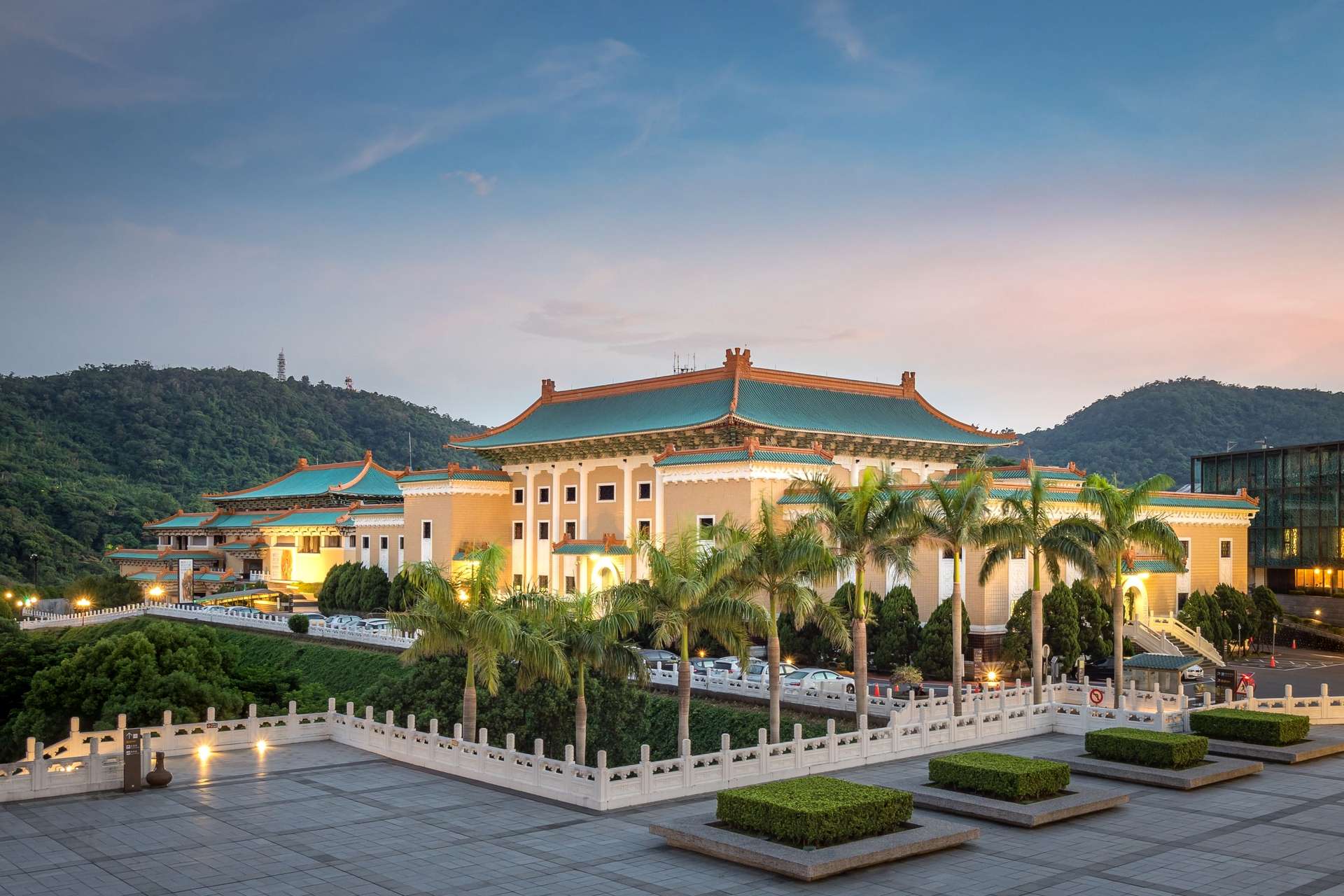
With 700,000 pieces spanning thousands of years, the National Palace Museum has one of the largest collections of ancient Chinese artifacts in the world. Once located in Beijing’s Forbidden City, the museum’s collection moved to Taiwan in the 1940s. Now spread across four floors and a rotating series of exhibitions, many of the most important relics of ancient China are on show for the world to admire. Breathe in millennia of history and culture while wandering through the museum’s collection of well-kept treasures.
Fort San Domingo
At the mouth of the Tamsui River stands Fort San Domingo, a fortress layered with the history of Taiwan’s early foreign presence. First built by the Spanish in 1629, rebuilt in stone by the Dutch, and later transformed into a British consulate, its red walls carry the imprint of each era. Locals call it Hongmao Castle, or “Fort of the Red Heads,” recalling the Europeans who once commanded it. From its verandahs and tiled roofs, the river stretches toward the setting sun, a view that has long linked this site to centuries of ties across the sea.
Your guide will return you to your hotel at the end of the day (around 7:00 pm).
Meals included: Breakfast
Your guide will meet you in the lobby of your hotel at 9:00 am to start the day.
Drive to Taoyuan
The drive from Taipei to Taoyuan will take an hour.
Siang kháu Lū Cooking Class
Set within a restored courtyard house, Siang kháu Lū shares the living heritage of Taiwanese kueh (rice cakes). The name honors the founders’ grandmother, carried forward through the family surname Lü — a reminder that tradition often begins at home. Visitors join local hosts to prepare kueh by hand, learning how varieties reflect Taiwan’s festival calendar and daily life, from moon-shaped cakes offered during Ghost Month to tortoise-shell pastries symbolizing longevity. In this traditional setting, food becomes a language of memory and connection, each form carrying stories passed down through generations.
Cihu Mausoleum
In the hills of Daxi, a willow-lined lake surrounds the Cihu Mausoleum, the resting place of Chiang Kai-shek. The name, “benevolent lake,” recalls his Zhejiang hometown and commemorates his mother, in whose memory he built a residence here in a blend of Minnan and Zhejiang styles. After his passing in 1975, it became his mausoleum. Today, visitors encounter still water and mountain views alongside the precision of the hourly guard-changing ceremony — a place where Taiwan’s natural scenery frames one of the island’s most symbolic sites of twentieth-century history.
Cihu Memorial Sculpture Park
A short walk from the Cihu Mausoleum, the Cihu Memorial Sculpture Park gathers more than 200 statues of Chiang Kai-shek relocated from across Taiwan. Once displayed in schools, government offices, and public squares, these bronze figures now stand together in a garden of bridges and winding paths. The collection spans busts, standing portraits, seated figures, and equestrian statues, each reflecting its own moment of commemoration. Set within the surrounding greenery, the park offers a reflective perspective on Chiang’s legacy.
Heng Chi Distillery Experience
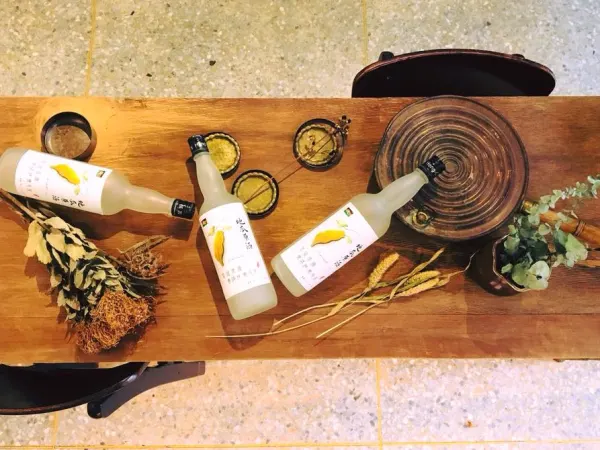
Nestled at the foot of Taoyuan’s Wujitong Mountain, Heng Chi Distillery has quickly earned acclaim for its sweet potato spirits. In 2022, all seven of its entries at the San Francisco World Spirits Competition won awards, including a Double Gold. The name “Heng Chi” playfully echoes the Taiwanese word for sweet potato, a nod to both its origins and its craft. Founded just a decade ago in a home kitchen, the distillery now produces spirits that draw on local ingredients, balancing herbal notes with a warm, lingering sweetness that reflects the character of Taiwan’s terroir.
Drive to Taipei
The drive from Taoyuan to Taipei will take an hour.
Your guide will return you to your hotel at the end of the day (around 5:00 pm).
Meals included: breakfast
Your guide will meet you in the lobby of your hotel at 9:00 am to start the day.
Drive to Miaoli
The drive from Taipei to Miaoli will take around 2 hours.
Old Mountain Line Rail Biking
Once used to haul timber through the mountains, the Old Mountain Line has been transformed into a rail biking route in Sanyi. Sitting in pedal-powered carts that glide along the tracks, visitors move through forested slopes, tunnels, and bridges that showcase Taiwan’s early feats of engineering. The journey passes the red-brick arches of Longteng Bridge, fractured by the 1935 earthquake, and the preserved wooden halls of Shengxing Station. Framed by camphor and tung trees, the ride carries both the atmosphere of the forest and the traces of history left along its rails.
Pottery Experience
More than a technical craft, pottery here becomes a quiet meditation, each turn of the clay drawing focus to the present moment. Guided sessions invite participants to shape simple forms while learning kiln traditions, including the studio’s signature Wu Yi Kiln — a compact, mobile wood-fired kiln that channels the elemental beauty of flame into modern practice. Small works are fired on-site, ready to be carried home as lasting reminders of the encounter. Rooted in Miaoli’s long tradition of ceramics, the workshop offers both practice and perspective on Taiwan’s enduring craft heritage.
Your guide will return you to your hotel at the end of the day (around 5:00 pm).
Meals included: breakfast and dinner
Your guide will meet you in the lobby of your hotel at 9:00am to start the day.
Drive to Lukang
The drive from Miaoli to Lukang will take around an hour.
Architecture Tour
Lukang’s narrow lanes are lined with houses that carry centuries of history, many now in the process of careful renewal. This walk, created with local architects, opens the doors of residences that are either fully restored or still under repair, offering a rare look at the work of preservation. The tour shows how these structures are adapted for modern life while sharing the personal stories connected to each home. Together, they reveal how Lukang’s architectural heritage continues to shape the character of the town today.
Old Town Exploration
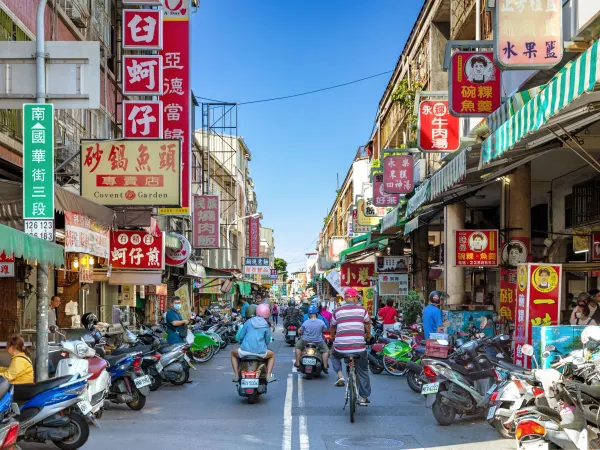
Lukang was once one of Taiwan’s busiest ports, and traces of that era remain in its streets today. Narrow lanes lead past red-brick houses, artisan workshops, and food stalls where sweet tofu pudding and oyster croquettes are still made by hand. At its center, Tianhou Temple honors the sea goddess Mazu with intricate wood carvings and the Black-Faced Mazu statue, reminders of the town’s ties to the sea. Here, history lingers not only in temples and walls but in the daily rituals, familiar flavors, and the cadence of life along its streets.
Your guide will return you to your hotel at the end of the day (around 5:00 pm).
Meals included: Breakfast
Your guide will meet you in the lobby of your hotel at 8:00am to start the day.
Drive to Alishan
The drive from Lukang to Alishan will take around 3 hours.
Next Stop: Alishan National Scenic Area
Mountains need not be the tallest to be the most beloved; to hold the largest stake in a nation’s cultural imagination. This is no truer than with Alishan – an enchanting range of forested 2,000 meter peaks ensconced in the island’s mountainous heart. So step forth into the world of Taiwan’s most sacred tourist site, where giant cypress trees, historic railways and a legendary sea of clouds await.
Dabang Indigenous Tribe Visit
The mountains of Alishan are home to the Tsou, an Indigenous people whose lives have long been shaped by the highlands. In Dabang, one of their largest villages, a guided walk passes wooden homes and community buildings that reflect centuries of tradition. Local hosts share stories of daily life and offer coffee grown in the surrounding hills, a newer practice rooted in the land itself.
Note: Subject to availability, visitors may also meet Mr. Gao, a Tsou heritage inheritor who shares insight into community life and the ancestral traditions that continue to guide the tribe today.
Alishan Forest Railway
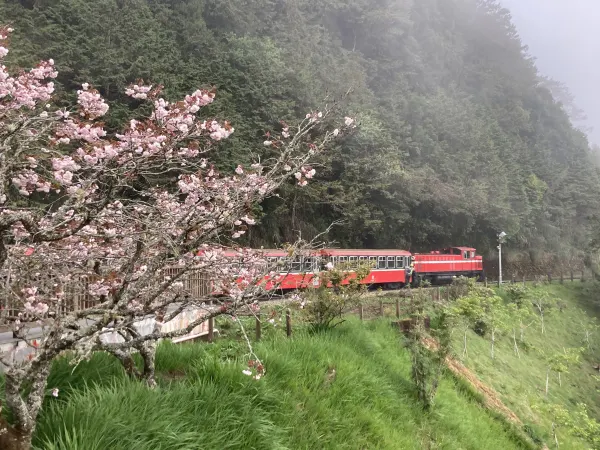
There was a time, almost a century ago, when the giant cypress forests of Alishan were prized as timber rather than protected as landscape. The logging ended in the 1970s, but it left behind what would become Alishan’s most enduring treasure: the forest railway. For more than 50 miles, its narrow-gauge tracks weave through tunnels, across bridges, and into the highland mist. Today, the red locomotives carry travelers not for commerce but for the quiet spectacle of mountain scenery and the intertwined legacies of Japanese engineers and Indigenous communities who once shaped this route.
Alishan Hiking
Lace up those hiking shoes and take to the trails for an alpine adventure amid the soaring red cypress trees and mist-wreathed slopes of the Alishan National Scenic Area, the recreational core of this sprawling mountain wilderness. Once exclusively home to the Tsou, one of Taiwan’s indigenous groups, and later the domain of Japanese loggers, the forest paths are signposted and well-maintained throughout, not to mention uniquely delightful in every season.
Sunset on Alishan
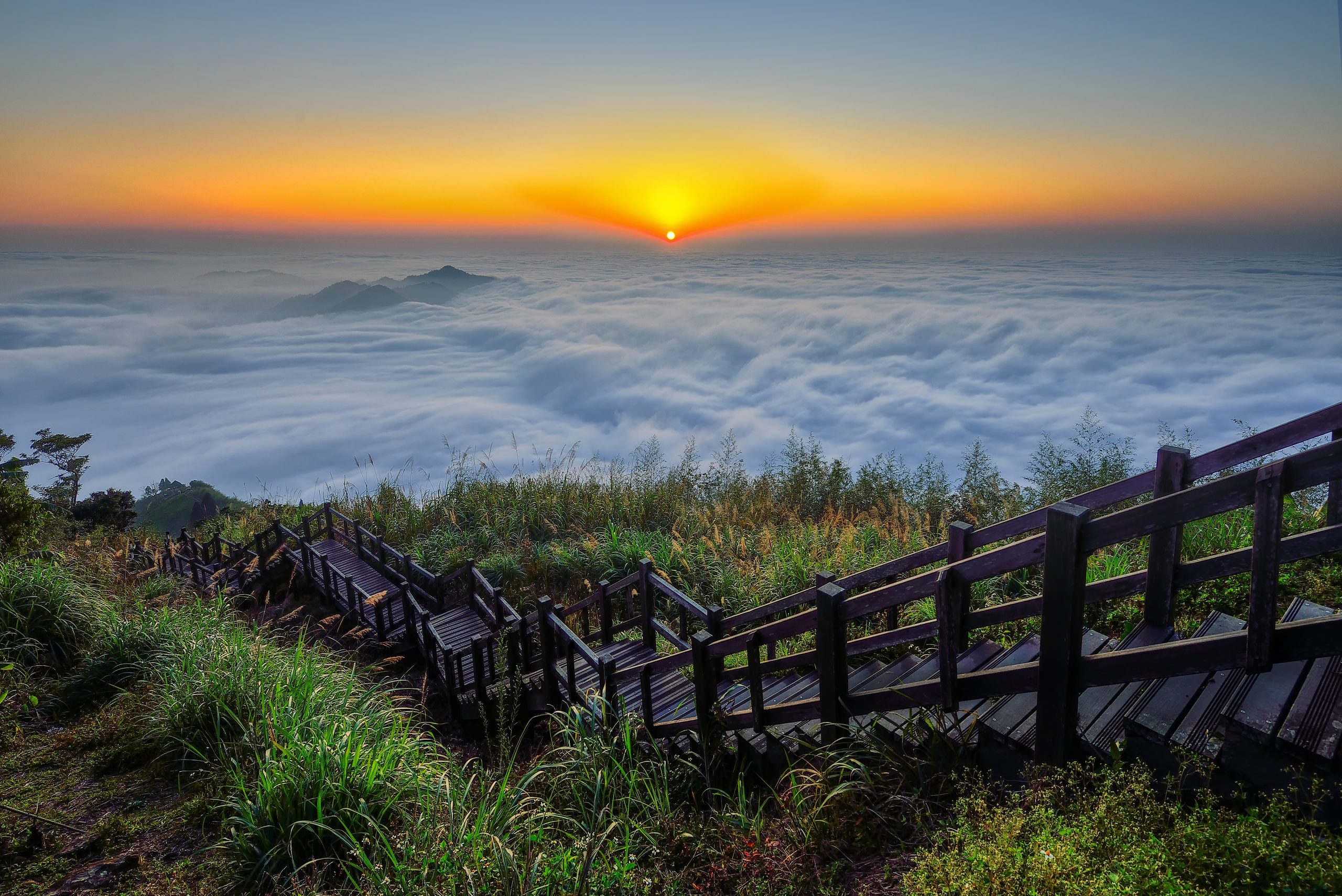
Sunrise and sunset are what these mountains do best, with spectacular solar displays unfolding above the island’s central range most mornings and evenings. As dusk approaches, head to a viewing spot to witness this captivating daily show, where the area’s distinct climate creates a mesmerizing interplay between the sun and clouds each time.
Your guide will return you to your hotel at the end of the day (around 6:00 pm).
Meals included: Breakfast
Your guide will meet you in the lobby of your hotel at 9:00am to start the day.
Drive to Tainan
The ride from Alishan to Tainan will take around 2.5 hours.
Incense-Making Workshop
Founded in 1895, this family incense house has shaped sticks by hand for more than a century. Natural woods and herbs are ground into fine powder, rolled into form, and dried under the sun as in generations past. Guests step into the workshop to follow each stage firsthand, leaving with incense they have crafted — a tangible link to one of Tainan’s enduring traditions.
Anping Fort
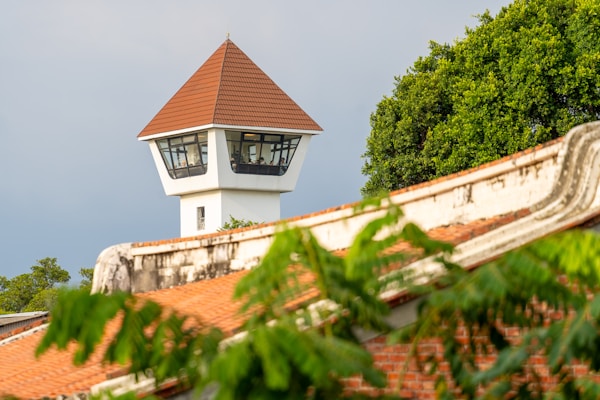
In Tainan’s coastal district of Anping, the red-brick walls of Anping Fort bear witness to centuries of change. Built by the Dutch East India Company in the 17th century as Fort Zeelandia, it served as a hub of trade until Ming loyalist forces gained control in 1662. Later renamed under the Qing, the site has endured shifting powers and eras. Today, its ramparts overlook the old harbor, where the sea breeze carries echoes of merchants, soldiers, and ideas that once passed through, shaping Taiwan’s ties beyond its shores.
Anping Tree House
The Anping Tree House in Tainan, Taiwan, is a mesmerizing blend of history and nature. Once a bustling warehouse, it now stands engulfed by banyan trees, their roots and branches intertwining with the aged brick walls in a captivating display of nature reclaiming its territory. Walking through its corridors feels like stepping into a forgotten realm where time stands still, and the whispers of the past echo through the leaves. Sunlight filters through the dense canopy, casting intricate patterns of light and shadow on the moss-covered floors. It’s a place where history and beauty converge, inviting visitors to explore its hidden corners and unravel its secrets.
Tainan Confucian Temple
Founded in 1666, the Tainan Confucian Temple was Taiwan’s first Confucian temple and once the island’s highest institute of learning. Stone steles inscribed with classical texts remain in the courtyards where students once studied, while the main Dacheng Hall preserves early architectural features rarely seen today. The temple continues to host annual ceremonies honoring Confucius, linking its historic role as a place of education with enduring cultural practice.
Your guide will return you to your hotel at the end of the day (around 5:00 pm).
Meals included: breakfast
Your guide will meet you in the lobby of your hotel to start the day.
High Speed Train to Taipei Taoyuan International Airport
Your guide and private chauffeur will escort you to the train station and help you check in for your train. Your guide will escort you on the train to Taipei Taoyuan International Airport and help you check in for your flight home.
Tainan to Taoyuan High-Speed Train: ~1.5 hours
Taoyuan High Speed Train Station to Taoyuan International Airport: ~20 minutes
Journey Gallery

Your Accommodations
Capella Taipei
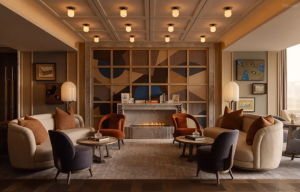
Nestled in Taipei’s pulsating Songshan district, Capella Taipei stands as a beacon of contemporary elegance amidst a city that seamlessly marries its rich heritage with modern vibrancy. Just a breath away from Taipei 101, Taipei Indoor Stadium and a short journey from Songshan Airport, the hotel is an oasis of tranquility in the urban landscape. Each of its 86 rooms, thoughtfully designed by André Fu Studio, narrates a story of refined luxury and personalized comfort.
ChooArt Villa, Miaoli
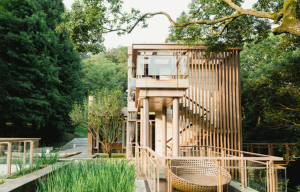
ChooArt Villa is a boutique retreat tucked into the willow-lined hills of Sanyi, where art, poetry, and nature converge. Once a damaged hillside, the grounds have been carefully restored and are now alive with trees, springs, and birdsong. Each guest room draws inspiration from classical Chinese poetry, from the dawn-lit elegance of First Day to the moonlit serenity of Drunk on the Moon, creating an atmosphere that is both tranquil and culturally immersive. Guests can enjoy seasonal use of the outdoor pool, stroll the gardens, or take in the villa’s serene setting near the famed Longteng Bridge — an inviting base for exploring Miaoli’s countryside and a sanctuary for rest and reflection.
Union House Lukang
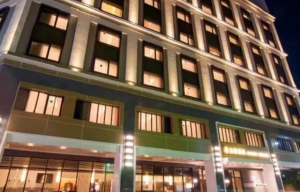
Union House Lukang is a charming hotel located in the historic old town of Lukang, which boasts a 500-year heritage. Positioned near Longshan Temple, Cedar Street, and other key preserved cultural landmarks, the hotel immerses guests in the rich history of the area, often referred to as the “Lugang Town” immortalized by Taiwanese singer and songwriter Luo Dayou. With a focus on comfort and authenticity, the rooms feature locally crafted, sleep-soothing bedding made in Taiwan, ensuring a restful and culturally enriched stay.
Alishan House Hotel
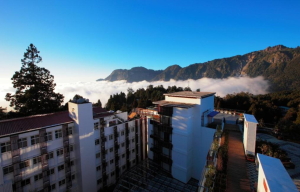
The Alishan House Hotel is by far the best accommodation in Alishan National Forest Scenic Area. Its greatest asset is undoubtedly its location and the breathtaking views that come with it. While the rooms and facilities show their age — the property is over 15 years old — they deliver a solid 4-star experience. Guests can enjoy convenient on-site amenities, including a cafe, restaurant, gym, and KTV. To fully embrace the magic of Alishan, be sure to spend time in the hotel’s outdoor areas, such as the terrace and garden, which capture the serene beauty of the surrounding nature.
Silks Place Tainan
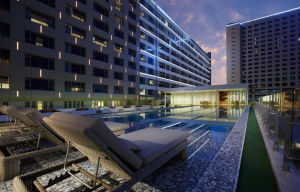
Located in the center of Taiwan’s former capital, Silks Place blends minimalism, luxury, and comfort in one exquisite design. Subtly imbued with the synthesis of cultures inspired by the ancient Silk Road, the hotel’s ethos seeks to combine Eastern aesthetics with the luxuries of Western modernity. With decadent offerings from their in-house bakery, artisanal cocktail bars, and restaurants ranging from nouvelle to traditional cuisine, the food at Silks Place is sublime, the service unparalleled and the experience unforgettable.
Additional Details
Recommended Seasons
What’s Included
What’s Excluded
Pricing
Pricing is available on request.
Keep In Touch